Vue normale

Il y a de nouveaux articles disponibles, cliquez pour rafraîchir la page.
À partir d’avant-hierPsychoterratica

Brief Bio 2024

7 juin 2024 à 06:25

Glenn A Albrecht PhD

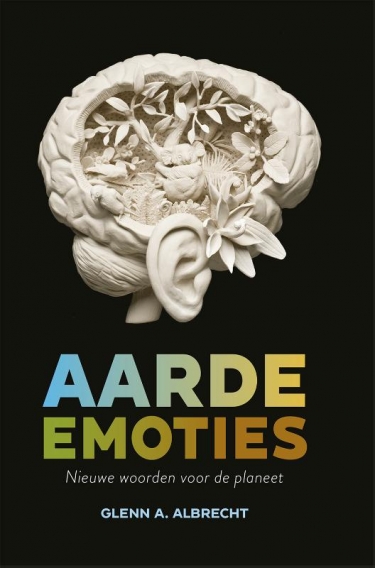
Glenn A. Albrecht is an Honorary Associate in the School of Geo-sciences, The University of Sydney, New South Wales, Australia. He retired as Professor of Sustainability, Walter Murdoch University, in mid-2014. He continues to work as an environmental philosopher and published a book, Earth Emotions, with Cornell University Press in 2019. Earth Emotions was published in French and Spanish in 2020 and in Dutch in 2024.

In numerous publications and public talks over the last two decades, Dr Albrecht has developed the theme of the psychoterratic (psyche-earth), or negative and positive emotional states connected to the state of the Earth. New concepts, developed by him, are now becoming well established in the international scholarly literature, new research theses and as inspiration for many creative people in the arts and music.

While he is best known for creating the concept of solastalgia, or the lived experience of negative environmental change, his most recent work develops the mega-meme of the ‘Symbiocene’, a future state where humans symbiotically re-integrate with the rest of life in nature. 

In anticipation of the book, ‘The Symbiocene: Our Only Future’ (2025), Glenn is contributing to national and international public debate on key issues connected to the human-nature relationship. As the concept of the Symbiocene is now in ‘take-off’ phase, he is in regular demand for both in-person and on-line talks as a keynote speaker at international forums. For example, in April 2024, he gave the prestigious annual Frederik van Eeden Lecture, ‘Transformation to The Symbiocene’, at the International School for Philosophy (ISVW) in the Netherlands.

The Symbiocene is now an inspiration for architects and designers as the task of transitioning from the Anthropocene to the Symbiocene becomes a practical necessity. Glenn is actively collaborating with key innovators in this transition and his own creative contributions are being acknowledged as inspirational by those at the leading edge of their fields.

Dr Glenn Albrecht is now in regular demand for interviews by futurists and social media leaders to explain to international audiences how his psychoterratic approach to the key issues of the early twenty-first century will assist in our transition from an ecocidal form of society to genuinely symbiotic forms of human living.

Glenn currently lives at Blackheath on Gundungurra land in the Blue Mountains of NSW, Australia. He describes himself as a ‘sumbiologist‘, the transdisciplinary study of humans ‘living together’ (sumbios) with the totality of life.

Solastalgia for the Jarrah Forest

7 mai 2024 à 09:58

“An affected eucalypt forest in the Helena National Park is visible in this Copernicus Sentinel-2 image acquired on 20 April 2024.” See: https://www.copernicus.eu/en/media/image-day-gallery/australian-eucalypt-forests-impacted-drought

In April 2011, I wrote about this form of “ethical dieback” when living in Jarrahdale, right in the middle of a huge dieback event in the Darling Ranges of SW Western Australia.

—————————————————————————–

While gamers and sports fans might like slow motion action scenes where you can watch every move in minute detail, I doubt if anybody would like to watch the slow motion disaster that is unfolding before our very eyes in the Perth region. 

I live in the hills at Jarrahdale and well into April I am watching whole sections of the forest slowly die. It is not just Jarrah and Marri that are turning yellow and dying, the whole ecosystem is in deep distress, so much so that, tragically, it looks like a Northern Hemisphere autumn is taking place right here, right now.

If we could watch what is going on in fast forward we would see vast tracts of bushland dying of thirst in the grip of this permanent drought. If you take the time to look, you will notice that the native ecosystems on the coastal plain are also in the deep distress of various forms of ‘dieback’. What is happening is a ‘tipping point’ in the process of ‘tipping’ … a rare but hugely important event.

The Perth Region, including the Hills, has had a 20% decline in rainfall over the last 30 years and a much larger, 60% decline in runoff into the streams and our dams. Gooralong Brook, once a year-round running stream, has disappeared and most of its deeper pools are now bone dry. The climate of the SW of WA has already changed for the worse and if it gets even warmer and dryer, the Perth region will be in perpetual ecosystem distress. 

This distress is not only about trees, frogs, jilgies and thirsty kangaroos; it is also a crisis of the human spirit and the mind. Our identity as people of the Perth region is at stake. All that is endemic to this special part of the world is at risk of slow death by desiccation. Our iconic trees such as Banksia and Jarrah are already dying and the wildflowers, the exquisite ground orchids and kangaroo paws, will not reappear in a dry, colourless Spring.

Even the bikies that roar their Harleys up the Jarrahdale Road, heading for the hills, are part of endemic Perth, for although they might find it hard to admit, they love the beautiful bush vistas and the stress release that green, open spaces invite. That you can enjoy the roos, the jarrah forest and a thirst-quenching beer at the Jarrahdale Tavern is a quintessentially West Australian freedom. But it is a freedom, like the water in Serpentine Dam, which is in danger of disappearing. 

We are a people in denial about the huge, negative changes to our climate and landscape that have taken place during my lifetime (I am a baby boomer). Since 1975, in SW WA, we have experienced most of the driest years on record. Last year (2010) was the driest year for the SW since 1900 and we are now breaking records for night and day time heat. The summer of 2010 -11 had the highest average minimum and maximum temperatures on record. Our dams are right now at less than a quarter of their total capacity and the chance of record rains that would return them to the spectacular overflows I witnessed as a child seems a very remote possibility. 

We, in Perth, are in the front line of human induced global warming and its negative impacts and unless we confront that reality, our environment will either wither or simply pack up and move away from us. Sure, at huge expense, we can produce potable water from the sea and pump more ground water to keep Perth ‘green’, but these ‘solutions’ are a sign that we have got our relationship to the earth completely wrong. Go and have a good look at the (former) Lake Gnangara and think about the trade-off between ecosystem health and green lawns.

We are now living in a time of solastalgia, the homesickness you have when you are still at home. We have a lived experience of an environment that is changing all around us in ways that are distressing. Some people still think there is not a problem, that the problem is not serious, that we are not responsible for the problem, that we should do nothing … but these responses are a sign of deep denial and ethical dieback.

———————-

The dieback is now visible from space. Yet the causes of this dieback are the very things that are at the foundation of the economy. Somebody and something has to give.

Glenn A Albrecht 7/05/2024

Brief Bio 2024

7 juin 2024 à 06:25

Glenn A Albrecht PhD

Glenn A. Albrecht is an Honorary Associate in the School of Geo-sciences, The University of Sydney, New South Wales, Australia. He retired as Professor of Sustainability, Walter Murdoch University, in mid-2014. He continues to work as an environmental philosopher and published a book, Earth Emotions, with Cornell University Press in 2019. Earth Emotions was published in French and Spanish in 2020 and in Dutch in 2024.

In numerous publications and public talks over the last two decades, Dr Albrecht has developed the theme of the psychoterratic (psyche-earth), or negative and positive emotional states connected to the state of the Earth. New concepts, developed by him, are now becoming well established in the international scholarly literature, new research theses and as inspiration for many creative people in the arts and music.

While he is best known for creating the concept of solastalgia, or the lived experience of negative environmental change, his most recent work develops the mega-meme of the ‘Symbiocene’, a future state where humans symbiotically re-integrate with the rest of life in nature. 

In anticipation of the book, ‘The Symbiocene: Our Only Future’ (2025), Glenn is contributing to national and international public debate on key issues connected to the human-nature relationship. As the concept of the Symbiocene is now in ‘take-off’ phase, he is in regular demand for both in-person and on-line talks as a keynote speaker at international forums. For example, in April 2024, he gave the prestigious annual Frederik van Eeden Lecture, ‘Transformation to The Symbiocene’, at the International School for Philosophy (ISVW) in the Netherlands.

The Symbiocene is now an inspiration for architects and designers as the task of transitioning from the Anthropocene to the Symbiocene becomes a practical necessity. Glenn is actively collaborating with key innovators in this transition and his own creative contributions are being acknowledged as inspirational by those at the leading edge of their fields.

Dr Glenn Albrecht is now in regular demand for interviews by futurists and social media leaders to explain to international audiences how his psychoterratic approach to the key issues of the early twenty-first century will assist in our transition from an ecocidal form of society to genuinely symbiotic forms of human living.

Glenn currently lives at Blackheath on Gundungurra land in the Blue Mountains of NSW, Australia. He describes himself as a ‘sumbiologist‘, the transdisciplinary study of humans ‘living together’ (sumbios) with the totality of life.

Solastalgia for the Jarrah Forest

7 mai 2024 à 09:58

“An affected eucalypt forest in the Helena National Park is visible in this Copernicus Sentinel-2 image acquired on 20 April 2024.” See: https://www.copernicus.eu/en/media/image-day-gallery/australian-eucalypt-forests-impacted-drought

In April 2011, I wrote about this form of “ethical dieback” when living in Jarrahdale, right in the middle of a huge dieback event in the Darling Ranges of SW Western Australia.

—————————————————————————–

While gamers and sports fans might like slow motion action scenes where you can watch every move in minute detail, I doubt if anybody would like to watch the slow motion disaster that is unfolding before our very eyes in the Perth region. 

I live in the hills at Jarrahdale and well into April I am watching whole sections of the forest slowly die. It is not just Jarrah and Marri that are turning yellow and dying, the whole ecosystem is in deep distress, so much so that, tragically, it looks like a Northern Hemisphere autumn is taking place right here, right now.

If we could watch what is going on in fast forward we would see vast tracts of bushland dying of thirst in the grip of this permanent drought. If you take the time to look, you will notice that the native ecosystems on the coastal plain are also in the deep distress of various forms of ‘dieback’. What is happening is a ‘tipping point’ in the process of ‘tipping’ … a rare but hugely important event.

The Perth Region, including the Hills, has had a 20% decline in rainfall over the last 30 years and a much larger, 60% decline in runoff into the streams and our dams. Gooralong Brook, once a year-round running stream, has disappeared and most of its deeper pools are now bone dry. The climate of the SW of WA has already changed for the worse and if it gets even warmer and dryer, the Perth region will be in perpetual ecosystem distress. 

This distress is not only about trees, frogs, jilgies and thirsty kangaroos; it is also a crisis of the human spirit and the mind. Our identity as people of the Perth region is at stake. All that is endemic to this special part of the world is at risk of slow death by desiccation. Our iconic trees such as Banksia and Jarrah are already dying and the wildflowers, the exquisite ground orchids and kangaroo paws, will not reappear in a dry, colourless Spring.

Even the bikies that roar their Harleys up the Jarrahdale Road, heading for the hills, are part of endemic Perth, for although they might find it hard to admit, they love the beautiful bush vistas and the stress release that green, open spaces invite. That you can enjoy the roos, the jarrah forest and a thirst-quenching beer at the Jarrahdale Tavern is a quintessentially West Australian freedom. But it is a freedom, like the water in Serpentine Dam, which is in danger of disappearing. 

We are a people in denial about the huge, negative changes to our climate and landscape that have taken place during my lifetime (I am a baby boomer). Since 1975, in SW WA, we have experienced most of the driest years on record. Last year (2010) was the driest year for the SW since 1900 and we are now breaking records for night and day time heat. The summer of 2010 -11 had the highest average minimum and maximum temperatures on record. Our dams are right now at less than a quarter of their total capacity and the chance of record rains that would return them to the spectacular overflows I witnessed as a child seems a very remote possibility. 

We, in Perth, are in the front line of human induced global warming and its negative impacts and unless we confront that reality, our environment will either wither or simply pack up and move away from us. Sure, at huge expense, we can produce potable water from the sea and pump more ground water to keep Perth ‘green’, but these ‘solutions’ are a sign that we have got our relationship to the earth completely wrong. Go and have a good look at the (former) Lake Gnangara and think about the trade-off between ecosystem health and green lawns.

We are now living in a time of solastalgia, the homesickness you have when you are still at home. We have a lived experience of an environment that is changing all around us in ways that are distressing. Some people still think there is not a problem, that the problem is not serious, that we are not responsible for the problem, that we should do nothing … but these responses are a sign of deep denial and ethical dieback.

———————-

The dieback is now visible from space. Yet the causes of this dieback are the very things that are at the foundation of the economy. Somebody and something has to give.

Glenn A Albrecht 7/05/2024

Solastalgia, the Symbiotic Emotion and the Symbiocene

31 juillet 2022 à 02:44

Solastalgia and the Psyche

As a philosopher, I tread with trepidation into the realm of psychiatry. While both disciplines have overlapping domains in the mind/brain nexus, they also diverge into many areas where there seems very little mutual contact. That only psychiatry has a clinical context is also a major point of departure. One area where there is clearly emergent mutual interest is the domain of the psychoterratic or psyche-Earth relationships (Albrecht 2019).

The links that I have forged between psychiatry and philosophy in this category of experience and thought began with my concept of solastalgia[[1]]. Solastalgia, or the lived experience of negative biophysical change, is a concept created by me in 2003 and first published in the journal PAN (Philosophy Activism Nature) in 2005. PAN was an ideal place to publish this neologism, because I mainly work as a transdisciplinary thinker, uniting insights from disciplines as diverse as philosophy, psychology, anthropology, history, politics, geography, ecology and complexity theory. I have always been committed to positive environmental change and personal activism to achieve that change. 

The personal context for the creation of solastalgia came from my own confrontation with large-scale open cut (pit) black coal mining in the Upper Hunter region of New South Wales in Australia. Here, hundreds of square miles of mines, power stations and coal transport infrastructure had converted the once verdant floor of the valley of the Hunter River into what one local mayor called a “moonscape.”

With colleagues Linda Connor (Anthropology) and Nick Higginbotham (Psychology) at the University of Newcastle, a transdisciplinary research project was commenced to put flesh on the concept of solastalgia, by linking the lived experience of people in the ‘zone of affectation’ of the mines, and the theoretical understanding of place attachment and identity. A combination of qualitative and quantitative research methods was used to gain insight into the psychological, social and emotional impact of desolation of the region (Connor et al. 2003). We were committed to understanding the relationship between the health of biophysical landscapes and human mindscapes. In addition to the conceptual clarification of solastalgia, Nick Higginbotham developed an ‘environmental distress scale’ (EDS) to reveal the empirical dimensions of the form of environmental distress we defined as solastalgia (Higginbotham et al. 2006).

In 2007, with my colleagues, solastalgia was written up in relation to two contexts where solastalgic experiences were being had by rural and remote citizens. One context summarized the coal mining case study approach, while the other was focussed on the experience of long-term chronic drought by rural people in Eastern Australia. Both case studies engaged the psychoterratic, in that mining and drought can have profound impacts on the psyche or mental health, broadly defined. The transdisciplinary team looking at mining impacts worked collaboratively with the team consisting mainly of psychologists and psychiatrists examining drought. The co-authored paper, with me as lead author, was published in a supplement of the Australian and New Zealand Journal of Psychiatry (Albrecht et al. 2007). That paper has been cited many hundreds of times and remains a landmark study of the psychoterratic in general and solastalgia in particular. The conclusion of that paper gave a strong hint as to what direction research on the psychoterratic might take:

There are complex relationships between environmental or ecosystem stressors and human distress. The two research teams are now actively collaborating on how well a psychoterratic syndrome such as solastalgia captures the essence of the relationship between ecosystem health, human health and control (hopelessness and powerlessness) and negative psychological outcomes. While the preliminary research on mining and drought has produced promising new insights into psychoterratic illness, there are many more environmental contexts where chronic environmental stressors negatively affect human health and wellbeing. Climate change for one, might, unfortunately, be a globally significant source of psychoterratic distress expressed as nostalgia and solastalgia. (Albrecht et al. 2007, pp 97-98)

Since that time, the importance of global climate warming as a factor influencing human mental health (broadly conceived) has massively increased.

Archetypes and Antecedents

In my 2005 PAN paper, I connected my thoughts on how negative environmental change affects the psyche with the ideas of Elyne Mitchell, an Australian farmer and writer who produced a book, Soil and Civilization in 1946. Mitchell was strongly influenced by Carl Jung and his identification of the Earth as the “universal soil” that supports all life forms and their vitality. Depletion of the soil (erosion, over-grazing, clearing, pollution) leads to depletion of the vitality of life, all life, including the human psyche. Influenced also by T.S. Eliot, in particular his poems, The Wasteland (1922) and The Hollow Men (1925), Mitchell observes, “In carelessness for the soil, we are turning the physical world into a waste land and wonder why “the dead land”, the “cactus land” is within us too” (Mitchell 1946).

In my view, modern ‘ecopsychiatry’ begins with Mitchell’s diagnosis of the total relationship between humans and nature. She explicitly saw that a break in the “integral unity” between humans and nature in general is reflected in the lack of wholeness in individuals. When she concluded that “[d]ivorced from his roots, man loses his psychic stability”, I saw the connection between my concept of solastalgia and this wise woman’s insight … it was a revelation.

In a case of psychic resonance, I later discovered that another key transdisciplinary thinker, Gregory Bateson, had also commented on this vital connection between the state of the Earth and the state of the psyche. In a moment of brilliant insight, he was able to articulate the enormity of the entwined problem of the pollution of the Earth and the mind. He argued in the context of the Great Lakes of North America:

… you decide that you want to get rid of the by-products of human life and that Lake Erie will be a good place to put them. You forget that the eco-mental system called Lake Erie is a part of your wider eco-mental system – and that if Lake Erie is driven insane, its insanity is incorporated in the larger system of your thought and experience. (Bateson 1973 p 460).

Some 20 years after Bateson’s prescient work, Theodore Roszak began to apply his insights on the ecological dimension of the ‘crazy’ or Batesonian ‘insane’ to the very idea of “ecological madness.” The profession of psychiatry had contributed a huge array of syndromes and conditions to the DSM but had not, according to Roszak, considered the human-nature relationship as a vital component of human mental well-being or health. Building on earlier formulations of ‘ecopsychology,’ Roszak was able to commence the systematic study of the nexus pioneered by Mitchell (Jung) and contributed to the further development of this ‘novel’ field of knowledge. In 1996 he critiqued Freud’s rejection of ‘nature’ as a factor in psychic dysfunction and suggested: “[i]n the past 10 years, a growing number of psychologists have begun to place their theory and practice in an ecological context. Already ecopsychology has yielded insights of great value” (Roszak 1996).

Supporting Roszak in this paradigm shift involving the union of the psyche with ecology were many other radical psychologists and deep ecologists worldwide[[2]]. While ecology represented a major paradigm shift in understanding nature, very few were able to apply its insights to understanding the afflictions of the mind. The ecologist, Phyllis Windle, in her 1992 essay “The Ecology of Grief”, pioneered a bridge between professional ecology and psychological grief (Windle 1992, Windle 1995), and her opening of the transdisciplinary space of the “grief of ecologists”.

Windle’s work was followed later by the thanatologist Kriss Kevorkian, who explained that desolation in terms she explicitly named ‘environmental grief’ and ‘ecological grief’ (Kevorkian 2007, 2019 and Michas 2013 and Rosenfield 2016). In the Michas interview, Kevorkian explains the practical application of her ecological grief theory:

Kristine: One thing grief has taught me is that at times you need to harness grief to make change. That’s what I offer people who want support with environmental grief and ecological grief. The option to sit with grief and do nothing was never what [my] work was about. The [many] forms of grief are meant to spur us to take action and stop the destruction of our planet and stop this disconnection that so many people have with nature. (Kevorkian, in Michas 2013).

These ideas were further acknowledged in an article in Scientific American in 2016 where the journalist Jordan Rosenfield interviewed Kevorkian and other front-line ecological workers on the emotional burdon of their work. In this article, both environmental and ecological grief are explained as:

This “is the grief reaction stemming from the environmental loss of ecosystems by natural and man-made events,” Kevorkian says. This theory builds on gerontologist Ken Doka’s work on “disenfranchised grief,” which is grief that is often unacknowledged or invalidated (often resulting from cases of suicide or abortion). Whereas the term “environmental grief” may be new, similar concepts emerged from “ecopsychology” and movements including the deep ecology of the 1970s, which drew from indigenous traditions to promote living in connection with nature. (Rosenfield 2016)

The terms ‘environmental’ and ‘ecological’ grief plus the ‘anticipatory’ and ‘disenfranchised’ grief theory of Doka (2002) that underpins them and as used by Kevorkian in her 2004 doctoral thesis, have recently re-appeared in the literature as a response to the climate crisis (Kunsolo and Ellis 2018), however, they do not reference Kriss Kevorkian on environmental or ecological grief in their influential article published in Nature.

In the essay published in 2005, I also explicitly linked solastalgia to the emergent domain of what James Hillman called an ‘ecological psychology’. Hillman, in his speech delivered in October 2001 about “Justice and Beauty: Foundations of an Ecological Psychology”, could see that the old world was imbued with meaning, via the idea of the anima mundi or world soul, by the Indigenous people of the world. The new world, that being erected under the name of what we would now call the Anthropocene, was systematically removing all vestiges of animism and was replacing it with mechanistic and technological substitutes. In achieving this end, the separation of psychology and the Earth was complete. Anthropocentric psychology had separated humans from their home. As Hillman graphically put it:

… human-centred psychology fosters a disordered, senseless, and enslaved planet. By ripping the human soul from its womb in the anima mundi, the world soul, this mother of all phenomena becomes a corpse, reduced to measurement, experimental dissection and cannibalization of its body parts. Rivers, rocks, flowers and fish, defined as soulless in themselves, can only find value by human assessment. (Hillman 2002).

I could see that solastalgia, indeed the “age of solastalgia”, was one outcome of Hillman’s perspicacious diagnosis of the human-imposed ‘state of the world’. Hillman’s ‘fix’ was to argue that “we need to start again”. His paradigm shift entailed the active creation of an ecological psychology which learns that, in addition to human concerns and interests, humans are embedded in the ecology of life from micro to macro scales. Desolate that ecology, and the human ‘soul’ is also desolated.

Since the late twentieth century the state of the world has considerably worsened. Hardly a week goes by when some new major report is not issued on species extinction, climate chaos, nuclear threats or industrial disasters. Götterdämmerung now has its own discipline, ‘collapsology’, in the twenty-first century (Servigne and Stevens 2020). To the constant threat of nuclear war, we must now add the lived experience of a global scale ecoapocalypse. I fear that the magnitude of the collapse of the foundations of life, as we have known it, is at a critical threshold.

The Individual Vs Structural Dilemma

As an applied philosopher, it is my hope that some of my ideas might have application in helping people understand their Earth distress and to be able to respond to it in constructive ways. While I have no clinical experience, I have, through funded academic field research and pro-bono involvement in community litigation against mining, deep personal concerns about the level of distress humans are now experiencing, as a result of complex, interrelated problems that have reached pandemic proportions. On top of ‘normal’ social stressors, we now have ongoing climate chaos plus the Covid-19 pandemic. The cumulative impacts have delivered a huge blow to the contemporary psyche.

There are two interrelated dimensions to the problems we face. One is clearly structural and will require collective responses to what are now global-scale crises. The other seems personal, yet because of the “tyranny of small decisions” (Odum 1982), we are all, by our seemingly insignificant individual actions, contributing to a massive structural outcome, whether we realize it or not. Therefore, because they are inseparable, both collective and individual responses will be needed to address these problems.

At one level, for ecopsychology to be tackling grand-scale Earth-Mind distress, as identified by its pioneers, it will need to transform itself into ecopolitics. It is the domain of politics (and economics) that is the primary cause of ecocide and climarmageddon, so it is logical to become an activist practitioner and bravely enter this realm of rebellion.

The assumption here is, that if science-based professions such as psychiatry strongly endorse mitigation of climate change and join others in this action, their practitioners will be in the vanguard of a political movement that leverages the political class to enact policy and laws that would prevent or mitigate the structural causes of ecocide, dysbiosis and psychosis.

Such a view is not entirely improbable, as we can see elements of a ‘forced’ political will being played out with the 2020-2021 Covid-19 pandemic. As of February 2021, with over 100 million cases and over 2 million deaths worldwide, Covid-19 has prompted collective political responses to the crisis, at the same time as the global ascendancy of countervailing individualism in political and economic ideology.

The pandemic is producing forms of distress in humans, ranging from mild anxiety about what is to come next, to deep grief about the loss of loved ones, in often tragic circumstances. I have argued in the past that there is even a form of solastalgia experienced during epidemics and pandemics, when whole cities, their infrastructure and suburbs are locked down in order to isolate their inhabitants (Albrecht 2006). There is a lived experience of negative environmental change.

The value and effectiveness of collectivism has been manifested in the imposition of lockdowns and the wearing of masks, to drive down rates of infection, serious illness and death. However, it has been challenged by vestiges of extreme enlightenment atomism, as expressed through the imperatives of individual rights and freedoms. It is this clash between collective and individual good (ethics) that is now being openly contested worldwide, particularly with the equity of the distribution of vaccines to prevent Covid-19. Such inter-global (in)equity issues offer a foretaste of what will happen as a likely tsunami of massive environmental change breaks over our collective heads in the foreseeable future.

Structural Responses: Soliphilia and the Symbiocene

Soliphilia

I have attempted to address the need for political solutions to the causes of negative psychoterratic states, such as solastalgia, with the concept of ‘soliphilia’ (Albrecht 2019, pp 121-124). The value of working with others across existing political divides to protect and conserve that which you love is evident in many self-help and voluntary organizations.

As an example of soliphilia in practice, as indicated above, I have worked constructively with community groups to protect rural villages from the incursion of open-pit black coal mining, in the Upper Hunter region of New South Wales, only to have success in the courts overturned by political fiat.

At national and international levels, I see social movements such as Extinction Rebellion and School Strike for Climate as expressions of soliphilia. They are going further than the NGOs related to the conservation of nature in that in many cases they are contesting the very model of corporate funding and largess that NGOs have relied on in the past for their survival. 

However, despite the actions and good will of these movements, the state of the world continues to deteriorate, and it is easy to become despondent in the face of the increasing concentration of carbon dioxide in the atmosphere, and failure to address the foundations of our collective carbon-intensive global culture. There is global dread about our future.

It is the evidence of ‘failure’ that has prompted many to seek radical adaptive measures as a response to the overall cognitive dissonance. Deep adaptation in the form of either voluntary simplicity or sophisticated ‘prepperism’ has been one avenue for commitment, while another has been to amplify the level of defiant activism, to the point of breaking the law, and being prepared to accept prison for repeated acts of non-violent protest. The personal psychological burden of Kamikaze activism (action at any cost to oneself, including death) is likely to be devastating, yet its adherents will refuse any ‘help’ from the therapy sector as they have consciously chosen the path of anti-carbon martyrdom.

The Symbiocene

As a result of these failures and ‘defeat’ experiences, I have felt that something stronger than soliphilia was needed to negate the individualism of the Anthropocene and its despotism. To counter the pessimism and the negative psychoterratic burden (including solastalgia) I needed a big-picture act of creation.

In response, I created in 2011, what I believe to be the antidote to the Anthropocene, in the form of the ‘Symbiocene’. This period in human history would be characterized by:

… human intelligence and praxis that replicate the symbiotic and mutually reinforcing life-reproducing forms and processes found in living systems. This period of human existence will be a positive affirmation of life, and it offers the possibility of the complete re-integration of the human body, psyche and culture with the rest of life. The path to avoiding yet more solastalgia, and other negative psychoterratic Earth emotions that damage the psyche, must take us into the Symbiocene. (Albrecht 2019, p102).

A new meme (cultural replicator), one that is hopefully powerful enough to enable people to see a clear alternative to deep psychic desolation, is a future worth pursuing. The symbiotic re-integration of humanity with the rest of life is now an imperative that is more pressing than any other. To achieve that end, psychologists and psychiatrists, who can see that the structural dysbiosis and psychosis of the Anthropocene requires a structural antidote, will be needed just as much as the engineers and architects who invent the shift from toxic artefacts to what I see as benign ‘sumbiofacts’.[[3]] In Earth Emotions (2019) I made the case for a scientific, technological and emotional transition to the Symbiocene. I continue to work on the Symbiocene as a “this changes everything” theme.

Individual Responses: A Sumbiography

Individual responses are required for us to succeed in getting out of the Anthropocene and I have contributed a potentially therapeutic and educational idea that may be useful. In order to situate the self into some sort of Earth context, I have created the idea of a sumbiography.[[4]]

In Earth Emotions, I attempted to explain to a reader how it came to be that I ended up writing a book about the human emotions connected to the state of the Earth. I argued a sumbiography is:

… the term I use to explain the cumulative influences on my life, from childhood to adulthood, that have culminated in my wanting to write this book about the relationship between humans, other forms of life, and nature. These influences include my immediate family and the writers and themes that have come to define my life and my ability to feel, first hand, the emotional richness of contact with nature. The meaning and importance of the sum total of living together with ‘nature’, people and other beings is what a sumbiography attempts to describe and acknowledge. (Albrecht 2019, p 14)

A sumbiography provides a written account of the cumulative seminal events and influences in a person’s lifespan that constitute their outlook and values on the importance of life, nature, the environment and life-support systems. It is a measure of a person’s positive awareness of what the sumbios or ‘living together’ means or perhaps it reveals a deficit in ‘sumbiosity'[[5]] that could be rectified.

Sumbioanalysis and Sumbiotherapy

Although an introspective account of the ‘nature’ components of my own life, I believe that this idea could be extended as a form of investigation of the emotional choreography of the psyche, with respect to the human-nature relationship in other contexts. By using a form of ‘sumbioanalysis’, one can delve into a person’s past, and see if it is possible to tease out the biophilic influences from the biophobic.

Where, on a sliding spectrum of ‘attachment’ does a person’s relationship to nature lie? What of their emotional literacy with respect to nature? A sumbiography can reveal just what kind of emotional compass we have with respect to our personal relationship to this planet that supports life. In answering these questions, a ‘sumbiotherapist’ might be able to offer a pathway for a person to move from negative psychoterratic states into positive ones, from not living together (anti-sumbiosic) to living together (sumbiosic). Hence, sumbiotherapy becomes an additional tool in the task of re-integration of the psyche and life in nature.

In past publications on the issue of solastalgia, I have suggested a number of actions that might help the various forms of desolation being experienced by people and communities. With respect to drought, the antidote is simple … rain. However, with the gradual degradation of an endemic landscape by alien species (weeds, feral animals), I have provided examples where land care organizations, particularly those run by Indigenous people in Northern Australia, engage in the active repair of damaged places (replanting) and by the removal of the alien and the restoration of the endemic. It is these actions that restore positive psychoterratic states such as ‘endemophilia’, or love of that which is endemic to your part of the world.

Repair of damaged psyches as a result of damaged landscapes is now a global scale possibility. Many before me have suggested that “a dose of nature” in the form of immersion in wild or cultivated landscapes is critical for the restoration of the health of mindscapes (see Louv 2011). In addition, getting to know place and its non-human inhabitants is another way that individuals can restore their own mental health while restoring their home environment. Here, psychiatry becomes “other than human” and the anima mundi is returned to wholeness.[[6]]

Conclusion

As I age into my late 60s, I worry that the scale and complexity of this world is now so great that it is leading to what I call ‘meuacide’, or the extinction of our emotions, especially our positive ones.[[7]] Yet, I know they are still alive and well when I see people the world over rebelling against biological extinction and other forms of harm. That is only possible when good Earth emotions continue to reside in good people.

However, as our emotions are being manipulated by algorithms, overwhelmed by data and, as the evidence of climate warming hits us in the face, they are being attacked and sublimated and we are all struggling to respond. As participants in the very structure that we must bring down, we are all culpable in the planetary language game that must be named ‘tierracide’ (Earth murder).

At this point I have empathy for the philosopher, Ludwig Wittgenstein, when he argued, “[s]o in the end when one is doing philosophy one gets to the point where one would just like to emit an inarticulate sound” (Wittgenstein 1974, p 93). Maybe that, or its manifestation in my own version of what the artist Edvard Munch called a “great infinite scream” passing through nature, when describing his famous painting.  

What my most positive thoughts now tell me is that we must resist so-called ‘deep’ adaptation to an increasingly solastalgic world. That path is an almost criminal abrogation of our personal and collective obligation to the future and the life-chances of children. Rather, we must offer, at personal and structural levels, grounds for optimism, that we humans can actively shape a future that not only avoids the worst of possible catastrophic projections, but offers something beautiful as well. As James Hillman so eloquently put it:

Beauty astounds and pulls the heart’s focus toward the object, out of ourselves, out of this human-centered insanity, toward wanting to keep the cosmos there for another spring and another morning. This is the ecological emotion, and it is aesthetic and political at once. (Hillman 1996).

Deep mitigation of the pollution of the psyche and society is still an option that is available to us all in the form of the meme of the Symbiocene. The Symbiocene goes beyond what Jonathan Lear has called ‘radical hope’, or a hope “that is directed at a future goodness that transcends the current ability to understand what it is.” (Lear 2006, p 103)  

We now understand that the future must creatively reunite humans with nature and that this will entail the symbiotic emotion. The Symbiocene offers both personal and structural guidance about a direction towards a sane and viable future for life. It offers ‘radical anticipation’, in that we must get to that good and beautiful end point as soon as is humanly possible.

[Note: This is an unpublished draft of an essay written in 2020-21 for a proposed anthology on ‘Climate Change and Psychiatry’].

References

Albrecht GA: Solastalgia: A New Concept in Human Health and Identity. PAN

(Philosophy, Activism, Nature) 3:41-55, 2005

Albrecht GA: Solastalgia: Environmental damage has made it possible to be homesick without leaving home.  Alternatives Journal 32:4-5, 2006

Albrecht GA: Earth Emotions: New Words for a New World. Ithaca, NY,

Cornell University Press, 2019

Albrecht GA, Sartore G, Connor L, Higginbotham N, Freeman S, Kelly B, Stain H, Tonna A, and Pollard G: Solastalgia: The distress caused by environmental change. Australasian Psychiatry 15 (Special Supplement): 95-98, 2007

Bateson G: Steps to an Ecology of Mind. London, Granada Publishing Limited in Paladin Books. 1973

Connor L, Albrecht G, Higginbotham N, Freeman, S and Dalton C: Environmental Change and Human Health: A Pilot Study in Upper Hunter Communities in The Airs, Waters, Places Transdisciplinary Conference on Ecosystem Health in Australia. Edited by Albrecht, G. Newcastle NSW: The University of Newcastle, 2003, pp 116-128

Cunsolo, A., & Ellis, N. (2018, April). Ecological grief as a mental health response to climate change-related loss. Nature Climate Change, 8, 275-281.

Doka, K: Disenfranchised Grief: New Directions, Challenges, and Strategies for Practice. 2002. Research Press Inc, USA.

Doka, K:  Disenfranchised grief.  https://www.opentohope.com/dr-ken-doka-disenfranchised-grief/ (2016) (accessed March 2021).

Higginbotham N, Connor L, Albrecht G, Freeman S, Agho K: Validation of an Environmental Distress Scale (EDS) EcoHealth. 3 (4): 245-254, 2006

Hillman J: Justice and Beauty: Foundations of an Ecological Psychology. Pacifica in Depth, Summer/Fall 2002, in Alumni Affairs, Pacific Graduate Institute. http://www.online.pacifica.edu/alumni/facultyynews/medalhillman Accessed 01/05/2004 (link now broken). Author’s personal hard copy.

Hillman J: Aesthetics and politics.Tikkun, vol. 11, no. 6, Nov.-Dec. 1996, p. 38+. Gale Academic, OneFile: link.gale.com/apps/doc/A19123886/AONE?u=usyd&sid=AONE&xid=bf8230ad Accessed 8 Feb. 2021

Kevorkian K: Environmental Grief® in Probing the Boundaries of Environmental Justice & Global Citizenship. Papers Presented at the Fifth Global Conference on Environmental Justice & Global Citizenship Monday 3 July – Thursday 6 July 2006 Mansfield College, Oxford. Edited by Belinda Clements, the Inter-Disciplinary Press, Oxford, United Kingdom, 2007, pp 211 – 222. Available at: https://epdf.pub/mansfield-global-conference-on-environmental-justice.html. (accessed March 2021).

Kevorkian K: Environmental grief and the rights of nature. May 3, 2019. Available at: https://seeingthewoods.org/2019/05/03/environmental-grief-and-the-rights-of-nature/. (Accessed March 2021).

Lear J: Radical Hope: Ethics in the Face of Cultural Devastation. Cambridge, Massachusetts, Harvard University Press. 2006

Louv R: The Nature Principle: Human Restoration and the End of Nature-Deficit Disorder. 2011. Chapel Hill, NC: Algonquin Books of Chapel Hill

Michas J: How Does One Deal with Loss? An Interview with Dr. Kristine Kevorkian. 2013. https://blog.sevenponds.com/professional-advice/what-is-grief-counseling-an-interview-with-dr-kristine-kevorkian

Mitchell E: Soil and Civilization. 1946. Sydney, Halstead Press

Odum WE: Environmental Degradation and the Tyranny of Small Decisions. BioScience 32 9: 728-729, 1982

Rosenfield J: Facing Down “Environmental Grief”: Is a traumatic sense of loss freezing action against climate change? https://www.scientificamerican.com/article/facing-down-environmental-grief/# 2016. (accessed March 2021)

Rozsak T: The Nature of Sanity. Psychology Today. 1996. Available at: https://www.psychologytoday.com/us/articles/199601/the-nature-sanity (Accessed March 2021).

Seed J:  Psychology in service to the Earth. Paper Delivered by John Seed to the Ecopsychology Symposium at the Australian Psychological Societies 28th Annual Conference, Gold Coast, Queensland, Australia 2/10/1994. Available at http://www.rainforestinfo.org.au/deep-eco/seed.htm. Accessed March 2021.

Servigne P, Stevens, R: How Everything Can Collapse. Cambridge, Polity. 2020

Windle P: The Ecology of Grief. In Ecopsychology: Restoring the Earth, Healing the Mind. Edited by T, Gomes M, and Kanner A, New York, Sierra Club Books, 1995, pp 136-149.

Windle P: The Ecology of Grief. Bioscience 42, no. 5: 363–6. 1992

Wittgenstein, L: Philosophical Investigations (Trans G.E.M. Anscombe) Oxford, Basil Blackwell. 1974


[[1]] Solastalgia has its origins in the New Latin word ‘nostalgia’ (homesickness) and its Greek roots nostos (return home) and algia (pain, grief or sorrow). However, it is based on two Latin roots, ‘solace’ (comfort or consolation) and ‘desolation’ (deprivation of comfort). In essence, although a combination of words from Greek and Latin, solastalgia is primarily a New Latin neologism.

[[2]] See, for example, the Australian John Seed and his essay written in 1994 where he concludes “I call again for an eco-psychology, psychology in service to the Earth, to help usher forth homo ecologicus, a psychology with a future (Seed 1994).

[[3]] Materials and technologies that are based on symbiosis, not toxic extractivism.

[[4]] This term is derived from the Greek sumbiosis (companionship), sumbion (to live together) sumbios (living together) and, of course, Greek bio (life) and graphy (from the Greek graphein, to write).

[[5]] Sumbiosity is an emergent state actively generated by humans that conserves and/or achieves an ongoing homeostasis and permanent interdependence between humans, all other life forms and the life support systems of the Earth (biogeochemical cycles).

[[6]] In Earth Emotions (2019) I refer to a secular spirituality I call the ‘ghedeist’ (united spirit). Here, all vestiges of formal religious spirituality, including the ‘soul’ are exorcised, as is the animism of past human cultures. Animism is replaced by the science of symbiosis, particularly that aspect of symbiosis where what was formerly unknown and invisible, has now become known and visible (e.g., the human gut microbiome).

[[7]] From meuə – an Indo-European root for words such as remove, motion and emotion plus cide, meaning to kill.

Sumbiotecture and More

18 octobre 2018 à 22:01

Sumbiotecture

To design and build according to Symbiocene principlessumbiocentric thinking, symbiomimicry and the discipline of sumbiology, (sumbios: living together and techne: to build). The archi in architecture means to rule or to command … it has to go. We used to talk about form and function … now we must talk about process, form and function.

Symbioscapes

Symbiotically animated landscapes that require sumbiocentric thinking to bring the scape (a stalk) to life., (symbiosis, living together, from sumbios).

Sumbioversity

A place where sumbiosic thinking and sumbiosity can house sumbiotecture and the study of symbioscapes.

From Earth Emotions (2019):

Habitat

 “Cities, as they are currently configured, owe their existence to globalized gigantism, supported by the carbon-intensive global transport of goods by aircraft, shipping and trucks. Symbiocene planners agree with Bill Rees in seeing cities as “entropic black holes” failing in all superficial attempts at even pseudo-sustainability with their ‘green walls’.[1] We will need to exit the megapolis and live in what we could call the “sumbiopolis”. I have no clear idea of what this kind of city will look like, but would not rule out the ‘living city’ of Frank Lloyd Wright’s ‘Broadacres’ countryside, complete with skyscrapers, forests and factories, surrounded by agricultural fields; an assemblage he described as “patterns of cultivation mingling with good buildings”.[2] I can also see Friedensreich Hundertwasser’s organic, living design and architecture, informing every aspect of the built symbioment.[3] Finally, architects and designers will be able to create organic form and flow in their work. The era of the straight line and ‘the box’ ends, as engineers figure out how to replace Anthropocene concrete and steel (two of the highest emitters of carbon) with new materials that satisfy Symbiocene principles.”

 [1] Rees 1997.

[2] Wright 1958, 198.

[3] Hundertwasser 1997.

Topowokia

17 avril 2024 à 12:25

Toponesia is the process of forgetfulness of precious places, which afflicts us as we leave the world of our childhood and enter adult life (Heneghan 2013).

Topowokia is the process of remembering precious places as our memories are reminded by photographs, smells, objects and a myriad things that return a loved place to the the forefront of memory. The word, ‘woke’ implies an awakening of consiousness and to be aware of important social issues.

Awakening almost lost memories of place (the topos) is what topowokia attempts to describe. It may even cover the emotional experience of remembering places that you have never been to, but are part of your family history as revealed by old photo albums, the accents of relatives, old newspapers etc.

I am in that pram, Perth C1953.

Topowokia

17 avril 2024 à 12:25

Toponesia is the process of forgetfulness of precious places, which afflicts us as we leave the world of our childhood and enter adult life (Heneghan 2013).

Topowokia is the process of remembering precious places as our memories are reminded by photographs, smells, objects and a myriad things that return a loved place to the the forefront of memory. The word, ‘woke’ implies an awakening of consiousness and to be aware of important social issues.

Awakening almost lost memories of place (the topos) is what topowokia attempts to describe. It may even cover the emotional experience of remembering places that you have never been to, but are part of your family history as revealed by old photo albums, the accents of relatives, old newspapers etc.

I am in that pram, Perth C1953.

Transformation to The Symbiocene

11 avril 2024 à 11:54
IMG_1895

Transformation to The Symbiocene: The Frederik van Eeden Lecture, 2024.

An account of the book Earth Emotions published in Dutch as Aarde Emotes by Noordoek Publishers in early April 2024.

Glenn A Albrecht PhD

 Abstract

The book, Earth Emotions, is an account of the relationship between the state of the Earth and our mental and emotional states. It presents a now commonly accepted scenario that during the epoch known as the Anthropocene, our relationship to the total Earth has turned bad. Not only have we threatened the health of the planet with a toxic, cruel, parasitic, extractive and wasteful economy, we have also triggered an avalanche of mental and emotional distress on humans and non-humans all over the planet. The negative psychoterratic (psyche-Earth) mental and emotional health impacts of the Anthropocene, or age of attempted human dominance, have included my concepts of solastalgia, global dread and tierratrauma, and, from many others, eco-anxiety, eco-grief and ecoparalysis. In other words, the lack of intelligence as represented by the ecocidal Anthropocene and its tragically flawed anthropocentric thinking is leading us to sickness then extinction.

In order to confront our imminent collapse, we need the very opposite of the despotism of the Anthropocene. An actively created symbiotic relationship with the rest of life on this wonderful planet is one that emerges from positive psychoterratic mental and emotional states. These include my concepts of soliphilia, eutierria, endemophilia and, from many others, topophilia, biophilia and ecophilia. The combination of positive psychoterratic states and life-affirming science and technology will give point and purpose to those who undertake this transformational work. From a healthy mental and biophysical base, we humans can build the Symbiocene using bioscience and symbioactive technologies that are safe, renewable and non-polluting. As the Anthropocene collapses, the Symbiocene must be built. Bad growth (dysbiosis) is transformed by human intelligence into good growth (symbiosis). In other words, the anthropocentric thinking of the Anthropocene needs to be supplanted by symbiocentric thinking in the Symbiocene. We move from a death and disease economy into a living and healthy one.

Introduction

The book, Earth Emotions, is about the ‘psychoterratic’, that is, the relationship between the state of our psyche and the state of Terra or the Earth. In the twenty-first century, we are living in a time when the relationship between humans and the rest of what we call ‘nature’ is in deep trouble. There has been a concerted effort to describe the ‘trouble’ within the bounds of the biophysical sciences and to dwell on the potentially catastrophic consequences if humans (not all humans) do not mitigate or adapt to these changes.

However, while there has been a focus on documenting how we are exceeding the safe limits of various planetary boundaries such as the concentration of carbon dioxide in the atmosphere, the nitrogen cycle etc. etc., there has not been a corresponding focus on the consequences of exceeding the boundaries of the psychological limits of all species, sentient or otherwise. I think it fair to say that we have entered a biophysical crisis that has a corresponding psychological and emotional crisis. In 2014 I wrote about this issue of ‘safe spaces’ in the journal, Ecopsychology:

Within a period of earth history now known as the Anthropocene, the dominant role humans play at a planetary scale has enabled us to exceed many of the biophysical limits that would have us conduct our economies within what has been described as a “safe operating space.” The “unsafe” biophysical space that we are creating for ourselves will have its correlates in a self-generated unsafe psychoterratic (psyche-earth) space. Identifying and documenting the negative impacts of the Anthropocene on the psyche will be one of the important roles for ecopsychology.  In order to avoid further transgression into unsafe spaces and to retreat from those already entered, we need to move out of the Anthropocene as soon as possible. (Albrecht 2014).

Not only have we threatened the health of the planet with a toxic, cruel, parasitic, extractive and wasteful economy, we have also triggered an avalanche of mental and emotional distress on humans and non-humans all over the planet.

Earth Emotions was written to explore this unfortunate space that has opened up in the period informally known as the Anthropocene, or period of human dominance. Since the start of the fossil-fuelled, steam powered industrial revolution in the 18th century we can observe a gradual, but increasing divide between human beings living within mass industrial cities and their urban satellites, and the rest of humanity and nature. Another critical aspect of the industrial revolution was the colonisation of the world outside of Europe and the importation of materials needed for industrial production. The role of racism manifest as slavery in gathering these materials (e.g., cotton) and then exporting them to industrial centres in Europe cannot be overestimated.

In my own lifetime (b. 1953), I have witnessed what is now understood as “the great acceleration” of the Anthropocene, to the point of asking a simple but profound question … “accelerating towards what”?

I leave it to biophysical and climate scientists to describe their observations of the trends and destination of the great acceleration. I wish to note that, despite their warnings so far about just how bad things could get, the captains of the SS Anthropocene have not changed the direction of their big ship. Every year, our global C02 emissions go up! In early April 2024, in my part of the world, the Great Barrier Reef is suffering a massive bleaching event and Antarctica is experiencing record warming and melting. The word everyone is using nowadays is “unprecedented”.

It seems that more empirical information about imminent collapse has not had an impact as yet on the human response. Given the lag effect or future consequences of many of our past and present action and inaction, this failure to motivate change is likely to be disastrous. As suggested above, perhaps acknowledging that we are exceeding our “safe” psychic and emotional boundaries will prove to be a greater motivational factor for change than straight facts? A starting point for such an analysis comes from the word ’emotion’.

‘Emotion’ has its origins in the Latin movēre, to move, and ēmovēre, to agitate, or disturb. Emotions are defined as ‘that which moves us’ or affects us.  At all scales, from micro to macro, there are forces of creation and destruction that are primary determinants of our emotions with respect to the Earth. I have given the extremes of these e-motions new names; terraphthora (earth destroyer) derived from Terra, the Latin for “earth” and the Greek φθορά (phthorá) or “destruction” and terranascia, (earth creator) derived from Terra, and the Latin nātūra, “to be born”. I argue that the conflict between terraphthoran and terranascient emotions, as exemplified in personality, corporate and state mentalities is now global in scale. Terraphthorans are the humans who are destroying the earth within the Anthropocene. Terranascient humans will be those who will create its opposite. There is a spectrum of mentalities at play here but perhaps we are moving towards a binary?

A Sumbiography: A Summation of my Green Past

In Chapter One of Earth Emotions, I present a short history of my own upbringing and how I developed as a terranascient, nature loving boy in Western Australia. I was lucky to have grandparents and my mother as mentors. I called this limited biography a sumbiography, as it helps the reader understand why I wished to write about our emotional relationship to the Earth in particular places. The term is derived from the Greek sumbiosis (companionship), sumbion (to live together) sumbios (living together) and, of course, Greek bio (life) and graphy (from the Greek graphein, to write). The meaning and importance of the sum total of living together with ‘nature’, key people and other beings, is what a sumbiography attempts to describe and acknowledge. It is my hope that you can all assemble for own sumbiographies in order to see what kind of person you are with respect to nature. Where on the spectrum between strong terraphthora and strong terranascia do you reside? What were the main influences in your life that produced such a person?

Solastalgia

My sumbiography put me on a path that led me to develop the idea of the psychoterratic (see Albrecht 2011a). As a nature lover (birds in particular), I resonated strongly with life-affirming places and was repelled by those where the desolation of life was evident.

This tendency of mine to avoid places that the Anthropocene was destroying and polluting was put into crisis when I had to confront open cut (pit) coal mining in the state of New South Wales, not far from my home.  Here, over 500 square kilometres of aggressively mined land was producing black coal for the domestic and international power stations and steel mills of the world.

The Hunter Valley was described by early European settlers as “The Tuscany of the South”, so beautiful was this landscape. And, of course, the traditional people of this area, the Wonnarua, had been there for tens of thousands of years before “invasion day” on the 26th of January 1778.

I had gone to this part of the Hunter Valley to engage in one of my favourite pursuits, birdwatching, but instead I had stumbled into the battlefield of the terraphthorans or the earth destroyers in the form of multinational coal miners and their “open-cuts”, large power stations and all the infrastructure needed for the ‘coal chain’. Their massive impact can be seen from space. So profound was my own reaction to the damage being done to place and its people, that I decided to study this location, where the physical landscape and the emotional landscape were in open confrontation. I was outraged at how this once beautiful valley was being ruined by a second wave of colonisation, this time, by those who profit from coal mining.

My first psychoterratic concept, solastalgia (Albrecht 2005), arose out of this personal experience. I define solastalgia as the pain or distress caused by the ongoing loss of solace and the sense of desolation connected to the present state of one’s home and territory. It is the existential and ‘lived experience’ of negative environmental change, manifest as an attack on one’s sense of place. It is the homesickness you have when you remain at home, but your home leaves you! It is the opposite of Hoferian (1688) nostalgia.

Solastalgia is derived from the words; solace, desolation, nostalgia and algia. The word “solace” is derived from the Latin verb, solari, with meanings connected to the alleviation or relief of distress, or to the provision of comfort or consolation in the face of distressing events. The word “desolation” has its origins in the Latin solus (noun desolare), with meanings connected to devastation, deprivation of comfort, abandonment and loneliness (to be solitary or alone). That this new concept was an ‘algia’ was abundantly clear to me right from the start and it is important to remember that from its Greek origins, ‘algia’ has connotations of pain, sorrow and grief. Solastalgia is not a biomedically defined psychological state: it is an existential response to an unwelcome structural change to the home.  As such, it cannot be adequately addressed by ‘therapy’, as only personal or community led change to the causes of this particular form of Earth distress will once again deliver solace to the sufferer.

The Anthropocene and Negative Earth Emotions

After the creation of solastalgia, I realised that the domain of the psychoterratic must be very broad. Given the amount of distress being caused by Anthropocene ‘forcings’ such as climate chaos, it did not take me long to compile a list of emotions.

TABLE 1.  The Typology of Negative Psychoterratic States

Negative Earth EmotionsOrigin
BiophobiaKellert & Wilson 1995
EcoagnosyAlbrecht 2017
EcoamnesiaKahn 1999
EcoanxietyLeff 1990
EcocideGalston 1970s
Eco-necrophiliaFromm 1965
EcoparalysisRees 2007
EcophobiaG. F. Will 1988
Global DreadAlbrecht 2003
MeteoranxietyAlbrecht 2014
Nature Deficit DisorderLouv 2005
NostalgiaHoffer 1688
SolastalgiaAlbrecht 2003
TerrafurieAlbrecht 2017
TierracideAlbrecht 2017
TierratraumaAlbrecht 2013
TopoaversionAlbrecht 2013
ToponesiaHeneghan 2013
Ecological GriefKevorkian 2004-13

The negative psychoterratic emotions are ‘work in progress’ as we humans are still creating forms of emotional distress in the face of an increasingly desolated Earth.

I want the need to keep creating and naming ever worsening emotional feelings about the state and fate of humanity and the Earth to come to a halt.

Symbiosis

In order to confront our imminent collapse, we need the very opposite of the despotism of the Anthropocene. An actively created symbiotic relationship with the rest of life on this wonderful planet is one that emerges from positive psychoterratic mental and emotional states. Before I go into the details of the Symbiocene (Albrecht, 2014), it is necessary to briefly engage with the term ‘symbiosis’ as it is crucial to the authenticity of the Symbiocene as a meme or cultural replicator.

The term, symbiosis, is from the Ancient Greek, σῠμβῐ́ωσῐς, meaning to live together in a special form of companionship (from συμβιόω (sumbióō, “to live together” +‎ -σις -sis). Symbiosis, as a concept, has had an interesting career. In ancient Greece, it was applied to two distinct but related contexts.

In biological observations the term was explicitly used by writers such as Plutarch (46 CE, died after 119 CE), Herodotus (died ca. 420 BC) and Aristotle (384–322 BCE) to describe mutually beneficial relationships between different kinds of organisms. Two such examples are the fan shell (Pinna) of the Mediterranean which has a special feeding relationship with a type of crab called the Pinna guard, and the Egyptian plover that reportedly removes rotting food, leeches and other parasites from the mouth of the Nile crocodile for its own food.

In the societal context the term was used to describe special relationships between people most commonly connected to co-habitation, social intercourse, fellowship, communion and commerce. However, there are also intimate relationships such as sexual intercourse (‘commerce’) and marriage (wedded life) where ‘symbiosis’ may have applied in ancient Greece.

There then appears a long gap in the global literature connected to the Greek origins of the word. ‘Symbiosis’ re-appears as transliteration in English, Spanish and German writings in the early 17th century mainly in connection to commerce and common interests.

The first recorded social use in English was by Edward Misselden in 1622. In a study of the principles of free trade Misselden compares the rights of private patent holders to the public good, or what he described as “the publique symbiosis”.  However, in 1680, under the intriguing title of (‘Συμβίωσις), Symbiåosis, or, The intimate converse of Pope and Devil attended by a cardinal and buffoon to which is annexed the pourtrait of each, with a brief explication thereof, was written by James Salgado. Here, the Greek idea of an intimate coming together of unlike parties has continuity!

Scientific Symbiosis

As German scientists in the 1870s were trying to understand and describe newly discovered relationships between the identifiably different components of organisms such as lichens, the idea of symbiosis in scientific talks and papers was used to give expression about novel ‘ways of living together’ for mutual benefit.

Credit is given to the botanist, Albert Bernhard Frank, when in 1877, he used the term symbiotismus (symbiotism) to describe the mutualistic relation between fungi, cyanobacteria or algae seen in lichens. A lichen is a combination of two separate species producing a union of the two that has properties not possessed by either party. The scientific term, symbiosis, was first used in public by the mycologist, Anton de Bary in 1878. From a lecture given that year, de Bary stated:

When I was trying to find a subject for this conference, I was studying two plants that live in a special relationship. This gave me the idea to talk about observations regarding dissimilarly named organisms that live together, in symbiosis, as we can call these associations. The present preoccupation with the subject, but also the consideration that similar relationships have become well known in the course of the past 10 years, are factors in deeming them to be of general interest. Thus, this talk will be a consideration of such symbioses, namely, the living together of differently named organisms. (de Bary 1878)

Since that time, symbiosis as a bioscience has proliferated, so much so that modern research in plant biology and the human microbiome have placed this branch of biology at the centre of what might be called ‘the symbiotic revolution’. At the core of this revolution is an advance in knowledge about how different organisms cooperate in nature, how some ‘organs’ within species (e.g., mitochondria and chloroplasts) are products of symbiosis and that evolution itself is shaped by both Darwinian and what I call Margulisian evolution. Our latest findings in this process of discovery include the surprising fact that ancient retrovirus genetic material makes up 8-10% of the human genome and has been crucial for our survival, including the way the human embryo develops. There is no ‘junk’ in life.

The biologist, Lynn Margulis (1938 – 2011), perhaps more than any other person, established symbiosis as a hugely important factor in life and evolution. We all owe her a huge debt of gratitude.

The Symbiocene

I created the concept of the Symbiocene in 2011 (Albrecht 2011b) and developed it further in a public conference presentation under the theme of ‘Out of The Anthropocene and into The Symbiocene’ at the Landlines Colloquium at Edith Cowan University, Western Australia, in June 2013. From 2014 onward I wrote essays such as “Ecopsychology for the Symbiocene” for the peer reviewed journal Ecopsychology (Albrecht 2014) and “Exiting the Anthropocene and Entering the Symbiocene”, first on my Blog in 2015, then in the journal, Minding Nature, connected to the Centre for Humans and Nature in 2016 (Albrecht 2016). The ‘Exiting’ essay was reprinted by the Centre for Humans and Nature in 2021.  

In Earth Emotions (2019a) I devoted half the book to developing the Symbiocene as a mega-meme for the future of humanity and this book was translated and published in 2020 into French, Spanish and now, in 2024, Dutch. Since the 2019 publication I have given many national and international talks and lectures devoted to the theme of the Symbiocene.

In summary, I put the case that the Symbiocene is the opposite of the Anthropocene. It is a period in human and Earth history when humans reintegrate with the rest of life. Core to this reintegration is the utilisation of our extant, relictual and novel positive psychoterratic emotions to motivate us to action. The Symbiocene must be an act of creation by emotionally and ethically motivated humans, in conjunction with other life forms. Emotion and motivation go together. I have radical anticipation for the Symbiocene and I see it as crucial for young people to engage in the project of life and to see and feel a healthy future for themselves and their communities.

The Symbiocene will be the result of a total life philosophy that I call ‘Sumbioism’. Sumbioism is the collective transdisciplinary art and science of ‘living together’ (sumbios) within the matrix of all life. A ‘sumbioist’ is a person who reflects on, writes about and lives by the discipline of sumbiology and the philosophy of sumbioism (See Albrecht 2017). I will be developing these themes in my forthcoming book on the philosophy and reasoning behind the Symbiocene.

Positive Earth Emotions

We once had positive Earth emotions for free; there were so many opportunities to experience them, perhaps we took them for granted because they satisfied the principle of plenitude. Now, because of the desolation of the Anthropocene, we need to actively create the circumstances where they can be freely had and enjoyed once again. If the Anthropocene is the source of our ascending negative Earth emotions, the Symbiocene will be the catalyst for the rediscovery of past positive Earth emotions and the stimulus for explicitly naming new emotional connections to the Earth. Below is my psychoterratic typology of positive Earth emotions.

TABLE 2.  The Typology of Positive Psychoterratic States

Positive Earth EmotionsOrigin
BiophiliaFromm 1964
EcoliteracyOrr 1991
SumbiophiliaAlbrecht 2018
EutierriaAlbrecht 2010
SoliphiliaAlbrecht 2009
EcophiliaSobel 1995
Meteorphilia Albrecht 2023
EutierriaAlbrecht 2010
EndemophiliaAlbrecht 2010
TopophiliaTuan 1974
TerralibenAlbrecht 2018
Topowokia* Albrecht 2024

Gaia and the Ghedeist: Secular Spirituality

Chapter 5 of Earth Emotions deals with the ethical and spiritual aspects of the entry into the Symbiocene. In many respects the form of secular spirituality that emerges from a biophilic understanding of life, is a reversal of many of our past sources in ‘the search for meaning’.

The discovery of the microcosmos, as Lynn Margulis called it, suggests to me that rather than seeking meaning in the big things in life … the big tree, the big church, the ‘big man’ … we should be focussed on the smallest units of life. It is the microcosmos after all, from which all complex life has come.  Life is not only interconnected in ecological physical space: every being living today has a shared life heritage that goes back billions of years.

That we now use science to understand these micro symbiotic spatial and temporal connections does not invalidate older symbolic spiritual understandings held by humans in the past. It unites past animistic spirituality with the best in modern science. Bring-on neo-animism!

In order to give expression to this understanding, I have used an old root word in Indo-European languages, ghehd, which means ‘to unite’ as a way to generate this secular spirituality. Ghehd is the root for many words in Old English and old Germanic language such as ‘together’, to ‘gather’, and, importantly for me, the word ‘good’.

The connections between the sumbios (living together) and ghehd (united together) were too ‘ghoohd’ to miss. I then thought that a modern version of the word ghehd could be incorporated into a spiritual context in the form of the ‘ghedeist’, with a shortening of the German ‘geist’ with its meanings of spirit and mind, and affinities in other languages with a vital or life force. The neologism, ‘ghedeist’, was thus created by me to account for a secular feeling for the unity of life and the intuition that all things are interconnected. My definition of the ghedeist is:

The spirit or force which holds things together, a feeling of interconnectedness in life between the self and other beings (human and non-human) and their gathering together to live within shared Earth places and spaces. It is a feeling of intense affinity and sense of mutual empathy for other beings.  It is a non-religious term for acknowledging the life-spirit kinship which all living beings share and a way of distinguishing the good (which associates and interconnects) from the bad (which disassociates and dis-integrates). (Albrecht 2016a).

As I say to my more spiritually inclined friends … “may the ghedeist be with you”.

Generation Symbiocene: Creating the New World

In Chapter 6, I present the case that a multigenerational ‘tribe’ of humans has the task of creating the Symbiocene. As I researched and wrote Earth Emotions in 2018, I had no feeling that such a generation was already rising from the maelstrom of the Anthropocene. However, I was delightfully wrong as both Greta Thunberg (School Strike 4 Climate.) and Extinction Rebellion (XR) came to prominence worldwide in late 2018-2019, after my book was committed for publication. I feel that the world-leading example of Greta and the open opposition of the Anthropocene by members of XR has vindicated my optimism that good humans would rise up in defence of life. Our Earth emotions have been stirred into action and Generation Symbiocene (Gen S) is now an emergent force (see Albrecht 2019b).

The psychoterratic typology has been used by Extinction Rebellion (Sydney) to train new volunteers to manage their emotional engagement with a society that sees them as radical and dissidents. They are definitely dissidents, but they are not radicals. Radical views are held by people who are anti-life. Conservative views and values are held by people who are biophilic. As I suggested in Earth Emotions, “As they build their own unique identity, Gen S has the task of building the Symbiocene. Given the dire state of the Anthropocene, their work will have to be fast and furious.”

It is also worth noting that I hold a very positive view of the role of technology in the building of the Symbiocene. Every toxic and polluting artefact or energy source must be replaced by a science-based symbiotically benign or life-affirming ‘sumbiofact’.  Architecture (to rule over design) needs to be replaced by sumbiotecture (to design in collaboration with others, including non-humans).

Fortunately, some people are already in the Symbiocene and are working at top pace to create the very materials and sumbiofacts needed to live well in the twenty first century. We already have building blocks, bricks, leather, coffins and packaging material sourced and produced from fungi. Utensils are now being made from wood cellulose and household furniture is being made from algae.

The current forms of alternative energy are the transition technologies to the bioenergy and bioluminescence needed to run our economies. To create a sumbonomy (Albrecht 2024), a form of economy informed by the science of symbiosis, will require humans to move from a dumb, extractive, anthropocentric way of thinking, to an intelligent sumbiocentric way of thinking.

Symbiotechnologies will re-animate our connections to life in nature … our lights will shine like fireflies!

Conclusion

In Earth Emotions I present a new narrative for the future. There is radical anticipation that the ‘Great Separation’ from life and nature under the Anthropocene will come to an end. There are only two possible endings now: one is the complete collapse and catastrophe of the Anthropocene and the other is the rise and creation of the Symbiocene. I am proposing that as the Anthropocene collapses, the Symbiocene is built: bad growth (dysbiosis) is replaced by good growth (symbiosis).

The foundation for the Symbiocene is both emotional and scientific. Good science and good emotions work together to produce something symbiotically beautiful. The Symbiocene gives point and purpose to life. It gives to the holobiont known as Homo sapiens, the opportunity to finally live up to its scientific name.

I have warned that the ‘Great Reconnection’ with life could be extremely difficult as the ‘war’ of emotions is played out in the next decade or so. However, pointing out the past follies of terraphthorans could also be a lot of fun, as there is endless material for comedians in the spectacular failure and downfall of the stupid terraphthorans. We have been far too serious in taking their pathological view of unreality as truth and it has come at the cost of our own happiness. The Symbiocene not only offers a healthy material basis for life, it gifts the opportunity to experience “the joy of life” in all of its wonderful complexity and diversity.

References.

 Albrecht, Glenn. A. 2005. “Solastalgia: A New Concept in Human Health and Identity.” PAN

(Philosophy, Activism, Nature). 3: 41-55.

Albrecht, Glenn A. 2011a. “Chronic Environmental Change: Emerging ‘Psychoterratic’ Syndromes.  In Climate Change and Human Well-Being: Global Challenges and Opportunities, edited by Inka Weissbecker, 43-56. New York: Springer.

Albrecht, Glenn A. 2011b. “Symbiocene.” Healthearth, May 19 2011.

http://healthearth.blogspot.com.au/2011/05/symbiocene.html

Albrecht Glenn A. 2014. “Ecopsychology in ‘The Symbiocene.'” Ecopsychology 6, (1): 58-59.

https://doi.org/10.1089/eco.2013.0091

Albrecht, Glenn A. 2015. “Exiting the Anthropocene and Entering the Symbiocene”. Healthearth Blog

Albrecht, Glenn. A. 2016a. “The Ghedeist.” Psychoterratica. June 6.

Albrecht, Glenn A. 2016b. “Exiting the Anthropocene and Entering the Symbiocene“. Minding Nature, 9(2), 12-16.

Albrecht, Glenn A. 2019a. Earth Emotions: New Words for a New World. Ithaca, NY: Cornell University Press.

Albrecht, Glenn A. 2019b. Generation Symbiocene. The Ecologist 8th March 2019: https://theecologist.org/2019/mar/08/generation-symbiocene

Albrecht, Glenn A. 2024. The Sumbonomy. https://glennaalbrecht.wordpress.com/2024/02/25/growth-in-the-sumbonomy/

De Bary, Heinrich Anton (1878). English translation of Heinrich Anton de Bary’s 1878 speech, ‘Die Erscheinung der Symbiose’ (‘De la symbiose’). Symbiosis (2016) 69:131–139 DOI 10.1007/s13199-016-0409-8.

……………………………………………………………………………………….

Transformation to The Symbiocene

11 avril 2024 à 11:54
IMG_1895

Transformation to The Symbiocene: The Frederik van Eeden Lecture, 2024.

An account of the book Earth Emotions published in Dutch as Aarde Emotes by Noordoek Publishers in early April 2024.

Glenn A Albrecht PhD

 Abstract

The book, Earth Emotions, is an account of the relationship between the state of the Earth and our mental and emotional states. It presents a now commonly accepted scenario that during the epoch known as the Anthropocene, our relationship to the total Earth has turned bad. Not only have we threatened the health of the planet with a toxic, cruel, parasitic, extractive and wasteful economy, we have also triggered an avalanche of mental and emotional distress on humans and non-humans all over the planet. The negative psychoterratic (psyche-Earth) mental and emotional health impacts of the Anthropocene, or age of attempted human dominance, have included my concepts of solastalgia, global dread and tierratrauma, and, from many others, eco-anxiety, eco-grief and ecoparalysis. In other words, the lack of intelligence as represented by the ecocidal Anthropocene and its tragically flawed anthropocentric thinking is leading us to sickness then extinction.

In order to confront our imminent collapse, we need the very opposite of the despotism of the Anthropocene. An actively created symbiotic relationship with the rest of life on this wonderful planet is one that emerges from positive psychoterratic mental and emotional states. These include my concepts of soliphilia, eutierria, endemophilia and, from many others, topophilia, biophilia and ecophilia. The combination of positive psychoterratic states and life-affirming science and technology will give point and purpose to those who undertake this transformational work. From a healthy mental and biophysical base, we humans can build the Symbiocene using bioscience and symbioactive technologies that are safe, renewable and non-polluting. As the Anthropocene collapses, the Symbiocene must be built. Bad growth (dysbiosis) is transformed by human intelligence into good growth (symbiosis). In other words, the anthropocentric thinking of the Anthropocene needs to be supplanted by symbiocentric thinking in the Symbiocene. We move from a death and disease economy into a living and healthy one.

Introduction

The book, Earth Emotions, is about the ‘psychoterratic’, that is, the relationship between the state of our psyche and the state of Terra or the Earth. In the twenty-first century, we are living in a time when the relationship between humans and the rest of what we call ‘nature’ is in deep trouble. There has been a concerted effort to describe the ‘trouble’ within the bounds of the biophysical sciences and to dwell on the potentially catastrophic consequences if humans (not all humans) do not mitigate or adapt to these changes.

However, while there has been a focus on documenting how we are exceeding the safe limits of various planetary boundaries such as the concentration of carbon dioxide in the atmosphere, the nitrogen cycle etc. etc., there has not been a corresponding focus on the consequences of exceeding the boundaries of the psychological limits of all species, sentient or otherwise. I think it fair to say that we have entered a biophysical crisis that has a corresponding psychological and emotional crisis. In 2014 I wrote about this issue of ‘safe spaces’ in the journal, Ecopsychology:

Within a period of earth history now known as the Anthropocene, the dominant role humans play at a planetary scale has enabled us to exceed many of the biophysical limits that would have us conduct our economies within what has been described as a “safe operating space.” The “unsafe” biophysical space that we are creating for ourselves will have its correlates in a self-generated unsafe psychoterratic (psyche-earth) space. Identifying and documenting the negative impacts of the Anthropocene on the psyche will be one of the important roles for ecopsychology.  In order to avoid further transgression into unsafe spaces and to retreat from those already entered, we need to move out of the Anthropocene as soon as possible. (Albrecht 2014).

Not only have we threatened the health of the planet with a toxic, cruel, parasitic, extractive and wasteful economy, we have also triggered an avalanche of mental and emotional distress on humans and non-humans all over the planet.

Earth Emotions was written to explore this unfortunate space that has opened up in the period informally known as the Anthropocene, or period of human dominance. Since the start of the fossil-fuelled, steam powered industrial revolution in the 18th century we can observe a gradual, but increasing divide between human beings living within mass industrial cities and their urban satellites, and the rest of humanity and nature. Another critical aspect of the industrial revolution was the colonisation of the world outside of Europe and the importation of materials needed for industrial production. The role of racism manifest as slavery in gathering these materials (e.g., cotton) and then exporting them to industrial centres in Europe cannot be overestimated.

In my own lifetime (b. 1953), I have witnessed what is now understood as “the great acceleration” of the Anthropocene, to the point of asking a simple but profound question … “accelerating towards what”?

I leave it to biophysical and climate scientists to describe their observations of the trends and destination of the great acceleration. I wish to note that, despite their warnings so far about just how bad things could get, the captains of the SS Anthropocene have not changed the direction of their big ship. Every year, our global C02 emissions go up! In early April 2024, in my part of the world, the Great Barrier Reef is suffering a massive bleaching event and Antarctica is experiencing record warming and melting. The word everyone is using nowadays is “unprecedented”.

It seems that more empirical information about imminent collapse has not had an impact as yet on the human response. Given the lag effect or future consequences of many of our past and present action and inaction, this failure to motivate change is likely to be disastrous. As suggested above, perhaps acknowledging that we are exceeding our “safe” psychic and emotional boundaries will prove to be a greater motivational factor for change than straight facts? A starting point for such an analysis comes from the word ’emotion’.

‘Emotion’ has its origins in the Latin movēre, to move, and ēmovēre, to agitate, or disturb. Emotions are defined as ‘that which moves us’ or affects us.  At all scales, from micro to macro, there are forces of creation and destruction that are primary determinants of our emotions with respect to the Earth. I have given the extremes of these e-motions new names; terraphthora (earth destroyer) derived from Terra, the Latin for “earth” and the Greek φθορά (phthorá) or “destruction” and terranascia, (earth creator) derived from Terra, and the Latin nātūra, “to be born”. I argue that the conflict between terraphthoran and terranascient emotions, as exemplified in personality, corporate and state mentalities is now global in scale. Terraphthorans are the humans who are destroying the earth within the Anthropocene. Terranascient humans will be those who will create its opposite. There is a spectrum of mentalities at play here but perhaps we are moving towards a binary?

A Sumbiography: A Summation of my Green Past

In Chapter One of Earth Emotions, I present a short history of my own upbringing and how I developed as a terranascient, nature loving boy in Western Australia. I was lucky to have grandparents and my mother as mentors. I called this limited biography a sumbiography, as it helps the reader understand why I wished to write about our emotional relationship to the Earth in particular places. The term is derived from the Greek sumbiosis (companionship), sumbion (to live together) sumbios (living together) and, of course, Greek bio (life) and graphy (from the Greek graphein, to write). The meaning and importance of the sum total of living together with ‘nature’, key people and other beings, is what a sumbiography attempts to describe and acknowledge. It is my hope that you can all assemble for own sumbiographies in order to see what kind of person you are with respect to nature. Where on the spectrum between strong terraphthora and strong terranascia do you reside? What were the main influences in your life that produced such a person?

Solastalgia

My sumbiography put me on a path that led me to develop the idea of the psychoterratic (see Albrecht 2011a). As a nature lover (birds in particular), I resonated strongly with life-affirming places and was repelled by those where the desolation of life was evident.

This tendency of mine to avoid places that the Anthropocene was destroying and polluting was put into crisis when I had to confront open cut (pit) coal mining in the state of New South Wales, not far from my home.  Here, over 500 square kilometres of aggressively mined land was producing black coal for the domestic and international power stations and steel mills of the world.

The Hunter Valley was described by early European settlers as “The Tuscany of the South”, so beautiful was this landscape. And, of course, the traditional people of this area, the Wonnarua, had been there for tens of thousands of years before “invasion day” on the 26th of January 1778.

I had gone to this part of the Hunter Valley to engage in one of my favourite pursuits, birdwatching, but instead I had stumbled into the battlefield of the terraphthorans or the earth destroyers in the form of multinational coal miners and their “open-cuts”, large power stations and all the infrastructure needed for the ‘coal chain’. Their massive impact can be seen from space. So profound was my own reaction to the damage being done to place and its people, that I decided to study this location, where the physical landscape and the emotional landscape were in open confrontation. I was outraged at how this once beautiful valley was being ruined by a second wave of colonisation, this time, by those who profit from coal mining.

My first psychoterratic concept, solastalgia (Albrecht 2005), arose out of this personal experience. I define solastalgia as the pain or distress caused by the ongoing loss of solace and the sense of desolation connected to the present state of one’s home and territory. It is the existential and ‘lived experience’ of negative environmental change, manifest as an attack on one’s sense of place. It is the homesickness you have when you remain at home, but your home leaves you! It is the opposite of Hoferian (1688) nostalgia.

Solastalgia is derived from the words; solace, desolation, nostalgia and algia. The word “solace” is derived from the Latin verb, solari, with meanings connected to the alleviation or relief of distress, or to the provision of comfort or consolation in the face of distressing events. The word “desolation” has its origins in the Latin solus (noun desolare), with meanings connected to devastation, deprivation of comfort, abandonment and loneliness (to be solitary or alone). That this new concept was an ‘algia’ was abundantly clear to me right from the start and it is important to remember that from its Greek origins, ‘algia’ has connotations of pain, sorrow and grief. Solastalgia is not a biomedically defined psychological state: it is an existential response to an unwelcome structural change to the home.  As such, it cannot be adequately addressed by ‘therapy’, as only personal or community led change to the causes of this particular form of Earth distress will once again deliver solace to the sufferer.

The Anthropocene and Negative Earth Emotions

After the creation of solastalgia, I realised that the domain of the psychoterratic must be very broad. Given the amount of distress being caused by Anthropocene ‘forcings’ such as climate chaos, it did not take me long to compile a list of emotions.

TABLE 1.  The Typology of Negative Psychoterratic States

Negative Earth EmotionsOrigin
BiophobiaKellert & Wilson 1995
EcoagnosyAlbrecht 2017
EcoamnesiaKahn 1999
EcoanxietyLeff 1990
EcocideGalston 1970s
Eco-necrophiliaFromm 1965
EcoparalysisRees 2007
EcophobiaG. F. Will 1988
Global DreadAlbrecht 2003
MeteoranxietyAlbrecht 2014
Nature Deficit DisorderLouv 2005
NostalgiaHoffer 1688
SolastalgiaAlbrecht 2003
TerrafurieAlbrecht 2017
TierracideAlbrecht 2017
TierratraumaAlbrecht 2013
TopoaversionAlbrecht 2013
ToponesiaHeneghan 2013
Ecological GriefKevorkian 2004-13

The negative psychoterratic emotions are ‘work in progress’ as we humans are still creating forms of emotional distress in the face of an increasingly desolated Earth.

I want the need to keep creating and naming ever worsening emotional feelings about the state and fate of humanity and the Earth to come to a halt.

Symbiosis

In order to confront our imminent collapse, we need the very opposite of the despotism of the Anthropocene. An actively created symbiotic relationship with the rest of life on this wonderful planet is one that emerges from positive psychoterratic mental and emotional states. Before I go into the details of the Symbiocene (Albrecht, 2014), it is necessary to briefly engage with the term ‘symbiosis’ as it is crucial to the authenticity of the Symbiocene as a meme or cultural replicator.

The term, symbiosis, is from the Ancient Greek, σῠμβῐ́ωσῐς, meaning to live together in a special form of companionship (from συμβιόω (sumbióō, “to live together” +‎ -σις -sis). Symbiosis, as a concept, has had an interesting career. In ancient Greece, it was applied to two distinct but related contexts.

In biological observations the term was explicitly used by writers such as Plutarch (46 CE, died after 119 CE), Herodotus (died ca. 420 BC) and Aristotle (384–322 BCE) to describe mutually beneficial relationships between different kinds of organisms. Two such examples are the fan shell (Pinna) of the Mediterranean which has a special feeding relationship with a type of crab called the Pinna guard, and the Egyptian plover that reportedly removes rotting food, leeches and other parasites from the mouth of the Nile crocodile for its own food.

In the societal context the term was used to describe special relationships between people most commonly connected to co-habitation, social intercourse, fellowship, communion and commerce. However, there are also intimate relationships such as sexual intercourse (‘commerce’) and marriage (wedded life) where ‘symbiosis’ may have applied in ancient Greece.

There then appears a long gap in the global literature connected to the Greek origins of the word. ‘Symbiosis’ re-appears as transliteration in English, Spanish and German writings in the early 17th century mainly in connection to commerce and common interests.

The first recorded social use in English was by Edward Misselden in 1622. In a study of the principles of free trade Misselden compares the rights of private patent holders to the public good, or what he described as “the publique symbiosis”.  However, in 1680, under the intriguing title of (‘Συμβίωσις), Symbiåosis, or, The intimate converse of Pope and Devil attended by a cardinal and buffoon to which is annexed the pourtrait of each, with a brief explication thereof, was written by James Salgado. Here, the Greek idea of an intimate coming together of unlike parties has continuity!

Scientific Symbiosis

As German scientists in the 1870s were trying to understand and describe newly discovered relationships between the identifiably different components of organisms such as lichens, the idea of symbiosis in scientific talks and papers was used to give expression about novel ‘ways of living together’ for mutual benefit.

Credit is given to the botanist, Albert Bernhard Frank, when in 1877, he used the term symbiotismus (symbiotism) to describe the mutualistic relation between fungi, cyanobacteria or algae seen in lichens. A lichen is a combination of two separate species producing a union of the two that has properties not possessed by either party. The scientific term, symbiosis, was first used in public by the mycologist, Anton de Bary in 1878. From a lecture given that year, de Bary stated:

When I was trying to find a subject for this conference, I was studying two plants that live in a special relationship. This gave me the idea to talk about observations regarding dissimilarly named organisms that live together, in symbiosis, as we can call these associations. The present preoccupation with the subject, but also the consideration that similar relationships have become well known in the course of the past 10 years, are factors in deeming them to be of general interest. Thus, this talk will be a consideration of such symbioses, namely, the living together of differently named organisms. (de Bary 1878)

Since that time, symbiosis as a bioscience has proliferated, so much so that modern research in plant biology and the human microbiome have placed this branch of biology at the centre of what might be called ‘the symbiotic revolution’. At the core of this revolution is an advance in knowledge about how different organisms cooperate in nature, how some ‘organs’ within species (e.g., mitochondria and chloroplasts) are products of symbiosis and that evolution itself is shaped by both Darwinian and what I call Margulisian evolution. Our latest findings in this process of discovery include the surprising fact that ancient retrovirus genetic material makes up 8-10% of the human genome and has been crucial for our survival, including the way the human embryo develops. There is no ‘junk’ in life.

The biologist, Lynn Margulis (1938 – 2011), perhaps more than any other person, established symbiosis as a hugely important factor in life and evolution. We all owe her a huge debt of gratitude.

The Symbiocene

I created the concept of the Symbiocene in 2011 (Albrecht 2011b) and developed it further in a public conference presentation under the theme of ‘Out of The Anthropocene and into The Symbiocene’ at the Landlines Colloquium at Edith Cowan University, Western Australia, in June 2013. From 2014 onward I wrote essays such as “Ecopsychology for the Symbiocene” for the peer reviewed journal Ecopsychology (Albrecht 2014) and “Exiting the Anthropocene and Entering the Symbiocene”, first on my Blog in 2015, then in the journal, Minding Nature, connected to the Centre for Humans and Nature in 2016 (Albrecht 2016). The ‘Exiting’ essay was reprinted by the Centre for Humans and Nature in 2021.  

In Earth Emotions (2019a) I devoted half the book to developing the Symbiocene as a mega-meme for the future of humanity and this book was translated and published in 2020 into French, Spanish and now, in 2024, Dutch. Since the 2019 publication I have given many national and international talks and lectures devoted to the theme of the Symbiocene.

In summary, I put the case that the Symbiocene is the opposite of the Anthropocene. It is a period in human and Earth history when humans reintegrate with the rest of life. Core to this reintegration is the utilisation of our extant, relictual and novel positive psychoterratic emotions to motivate us to action. The Symbiocene must be an act of creation by emotionally and ethically motivated humans, in conjunction with other life forms. Emotion and motivation go together. I have radical anticipation for the Symbiocene and I see it as crucial for young people to engage in the project of life and to see and feel a healthy future for themselves and their communities.

The Symbiocene will be the result of a total life philosophy that I call ‘Sumbioism’. Sumbioism is the collective transdisciplinary art and science of ‘living together’ (sumbios) within the matrix of all life. A ‘sumbioist’ is a person who reflects on, writes about and lives by the discipline of sumbiology and the philosophy of sumbioism (See Albrecht 2017). I will be developing these themes in my forthcoming book on the philosophy and reasoning behind the Symbiocene.

Positive Earth Emotions

We once had positive Earth emotions for free; there were so many opportunities to experience them, perhaps we took them for granted because they satisfied the principle of plenitude. Now, because of the desolation of the Anthropocene, we need to actively create the circumstances where they can be freely had and enjoyed once again. If the Anthropocene is the source of our ascending negative Earth emotions, the Symbiocene will be the catalyst for the rediscovery of past positive Earth emotions and the stimulus for explicitly naming new emotional connections to the Earth. Below is my psychoterratic typology of positive Earth emotions.

TABLE 2.  The Typology of Positive Psychoterratic States

Positive Earth EmotionsOrigin
BiophiliaFromm 1964
EcoliteracyOrr 1991
SumbiophiliaAlbrecht 2018
EutierriaAlbrecht 2010
SoliphiliaAlbrecht 2009
EcophiliaSobel 1995
Meteorphilia Albrecht 2023
EutierriaAlbrecht 2010
EndemophiliaAlbrecht 2010
TopophiliaTuan 1974
TerralibenAlbrecht 2018
Topowokia* Albrecht 2024

Gaia and the Ghedeist: Secular Spirituality

Chapter 5 of Earth Emotions deals with the ethical and spiritual aspects of the entry into the Symbiocene. In many respects the form of secular spirituality that emerges from a biophilic understanding of life, is a reversal of many of our past sources in ‘the search for meaning’.

The discovery of the microcosmos, as Lynn Margulis called it, suggests to me that rather than seeking meaning in the big things in life … the big tree, the big church, the ‘big man’ … we should be focussed on the smallest units of life. It is the microcosmos after all, from which all complex life has come.  Life is not only interconnected in ecological physical space: every being living today has a shared life heritage that goes back billions of years.

That we now use science to understand these micro symbiotic spatial and temporal connections does not invalidate older symbolic spiritual understandings held by humans in the past. It unites past animistic spirituality with the best in modern science. Bring-on neo-animism!

In order to give expression to this understanding, I have used an old root word in Indo-European languages, ghehd, which means ‘to unite’ as a way to generate this secular spirituality. Ghehd is the root for many words in Old English and old Germanic language such as ‘together’, to ‘gather’, and, importantly for me, the word ‘good’.

The connections between the sumbios (living together) and ghehd (united together) were too ‘ghoohd’ to miss. I then thought that a modern version of the word ghehd could be incorporated into a spiritual context in the form of the ‘ghedeist’, with a shortening of the German ‘geist’ with its meanings of spirit and mind, and affinities in other languages with a vital or life force. The neologism, ‘ghedeist’, was thus created by me to account for a secular feeling for the unity of life and the intuition that all things are interconnected. My definition of the ghedeist is:

The spirit or force which holds things together, a feeling of interconnectedness in life between the self and other beings (human and non-human) and their gathering together to live within shared Earth places and spaces. It is a feeling of intense affinity and sense of mutual empathy for other beings.  It is a non-religious term for acknowledging the life-spirit kinship which all living beings share and a way of distinguishing the good (which associates and interconnects) from the bad (which disassociates and dis-integrates). (Albrecht 2016a).

As I say to my more spiritually inclined friends … “may the ghedeist be with you”.

Generation Symbiocene: Creating the New World

In Chapter 6, I present the case that a multigenerational ‘tribe’ of humans has the task of creating the Symbiocene. As I researched and wrote Earth Emotions in 2018, I had no feeling that such a generation was already rising from the maelstrom of the Anthropocene. However, I was delightfully wrong as both Greta Thunberg (School Strike 4 Climate.) and Extinction Rebellion (XR) came to prominence worldwide in late 2018-2019, after my book was committed for publication. I feel that the world-leading example of Greta and the open opposition of the Anthropocene by members of XR has vindicated my optimism that good humans would rise up in defence of life. Our Earth emotions have been stirred into action and Generation Symbiocene (Gen S) is now an emergent force (see Albrecht 2019b).

The psychoterratic typology has been used by Extinction Rebellion (Sydney) to train new volunteers to manage their emotional engagement with a society that sees them as radical and dissidents. They are definitely dissidents, but they are not radicals. Radical views are held by people who are anti-life. Conservative views and values are held by people who are biophilic. As I suggested in Earth Emotions, “As they build their own unique identity, Gen S has the task of building the Symbiocene. Given the dire state of the Anthropocene, their work will have to be fast and furious.”

It is also worth noting that I hold a very positive view of the role of technology in the building of the Symbiocene. Every toxic and polluting artefact or energy source must be replaced by a science-based symbiotically benign or life-affirming ‘sumbiofact’.  Architecture (to rule over design) needs to be replaced by sumbiotecture (to design in collaboration with others, including non-humans).

Fortunately, some people are already in the Symbiocene and are working at top pace to create the very materials and sumbiofacts needed to live well in the twenty first century. We already have building blocks, bricks, leather, coffins and packaging material sourced and produced from fungi. Utensils are now being made from wood cellulose and household furniture is being made from algae.

The current forms of alternative energy are the transition technologies to the bioenergy and bioluminescence needed to run our economies. To create a sumbonomy (Albrecht 2024), a form of economy informed by the science of symbiosis, will require humans to move from a dumb, extractive, anthropocentric way of thinking, to an intelligent sumbiocentric way of thinking.

Symbiotechnologies will re-animate our connections to life in nature … our lights will shine like fireflies!

Conclusion

In Earth Emotions I present a new narrative for the future. There is radical anticipation that the ‘Great Separation’ from life and nature under the Anthropocene will come to an end. There are only two possible endings now: one is the complete collapse and catastrophe of the Anthropocene and the other is the rise and creation of the Symbiocene. I am proposing that as the Anthropocene collapses, the Symbiocene is built: bad growth (dysbiosis) is replaced by good growth (symbiosis).

The foundation for the Symbiocene is both emotional and scientific. Good science and good emotions work together to produce something symbiotically beautiful. The Symbiocene gives point and purpose to life. It gives to the holobiont known as Homo sapiens, the opportunity to finally live up to its scientific name.

I have warned that the ‘Great Reconnection’ with life could be extremely difficult as the ‘war’ of emotions is played out in the next decade or so. However, pointing out the past follies of terraphthorans could also be a lot of fun, as there is endless material for comedians in the spectacular failure and downfall of the stupid terraphthorans. We have been far too serious in taking their pathological view of unreality as truth and it has come at the cost of our own happiness. The Symbiocene not only offers a healthy material basis for life, it gifts the opportunity to experience “the joy of life” in all of its wonderful complexity and diversity.

References.

 Albrecht, Glenn. A. 2005. “Solastalgia: A New Concept in Human Health and Identity.” PAN

(Philosophy, Activism, Nature). 3: 41-55.

Albrecht, Glenn A. 2011a. “Chronic Environmental Change: Emerging ‘Psychoterratic’ Syndromes.  In Climate Change and Human Well-Being: Global Challenges and Opportunities, edited by Inka Weissbecker, 43-56. New York: Springer.

Albrecht, Glenn A. 2011b. “Symbiocene.” Healthearth, May 19 2011.

http://healthearth.blogspot.com.au/2011/05/symbiocene.html

Albrecht Glenn A. 2014. “Ecopsychology in ‘The Symbiocene.'” Ecopsychology 6, (1): 58-59.

https://doi.org/10.1089/eco.2013.0091

Albrecht, Glenn A. 2015. “Exiting the Anthropocene and Entering the Symbiocene”. Healthearth Blog

Albrecht, Glenn. A. 2016a. “The Ghedeist.” Psychoterratica. June 6.

Albrecht, Glenn A. 2016b. “Exiting the Anthropocene and Entering the Symbiocene“. Minding Nature, 9(2), 12-16.

Albrecht, Glenn A. 2019a. Earth Emotions: New Words for a New World. Ithaca, NY: Cornell University Press.

Albrecht, Glenn A. 2019b. Generation Symbiocene. The Ecologist 8th March 2019: https://theecologist.org/2019/mar/08/generation-symbiocene

Albrecht, Glenn A. 2024. The Sumbonomy. https://glennaalbrecht.wordpress.com/2024/02/25/growth-in-the-sumbonomy/

De Bary, Heinrich Anton (1878). English translation of Heinrich Anton de Bary’s 1878 speech, ‘Die Erscheinung der Symbiose’ (‘De la symbiose’). Symbiosis (2016) 69:131–139 DOI 10.1007/s13199-016-0409-8.

……………………………………………………………………………………….

❌
❌